
Planning a Plant Shutdown? Why Renting Cryogenic Equipment Can Reduce Downtime
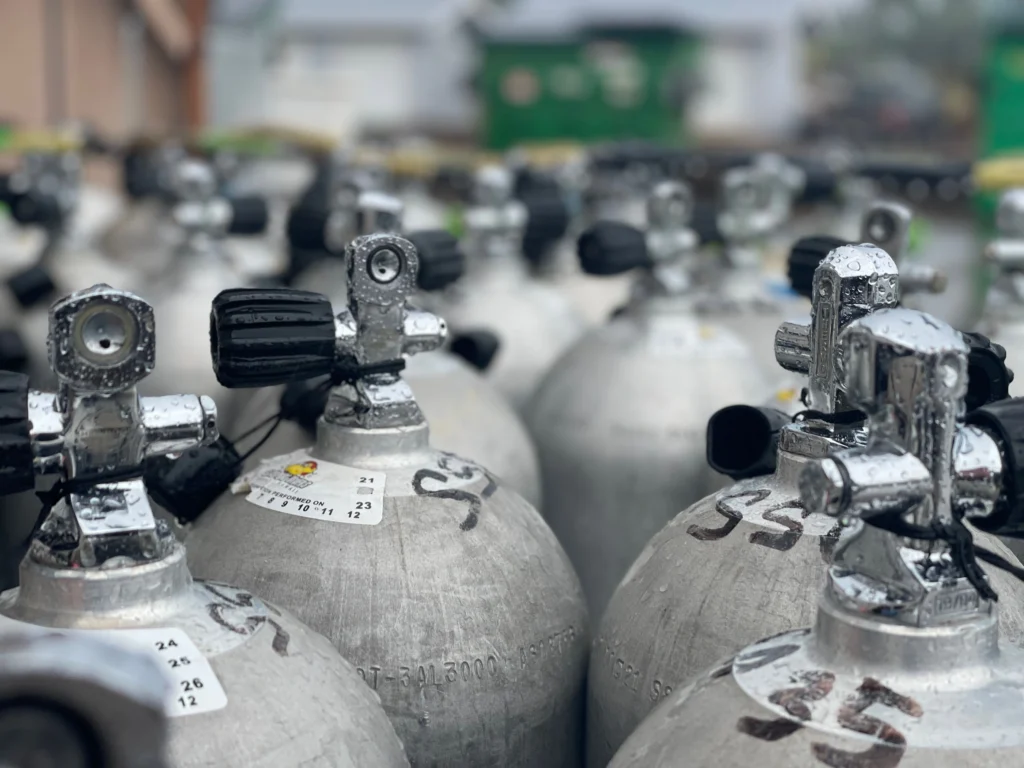
Very complex and costly occurrences, such as plant shutdowns, are frequently faced by industrial operations. Every hour of downtime affects production schedules, labor costs, and profitability, whether planned for normal maintenance, equipment upgrades, inspections, or facility expansions. For facilities that depend on liquid nitrogen, liquid oxygen, liquid argon, or other cryogenic gases, an uninterrupted supply during a shutdown is crucial. The renting of cryogenic equipment rental is a viable, economical solution here. Rather than buying permanent equipment for a temporary requirement, firms can rent cryogenic tanks, portable trailers, and vaporization systems that keep operations going while permanent infrastructure is serviced. If your facility is preparing for an upcoming shutdown, understanding the advantages of cryogenic tank rental can help minimize downtime, improve safety, and keep projects on schedule. Why Plant Shutdown Planning Is So Important A planned shutdown involves more than simply turning equipment off. It requires careful coordination between maintenance teams, contractors, suppliers, and production managers. As per the U.S. Department of Energy, poor planning and inefficient maintenance practices can significantly increase operational costs and reduce equipment reliability, whereas proactive planning can improve productivity and asset performance. When cryogenic systems are part of production, the shutdown plan should include uninterrupted gas storage and supply to avoid unnecessary delays. The High Cost of Downtime Even short production interruptions can create substantial financial losses. Siemens says unplanned downtime is now costing the world’s largest manufacturers 11% of their annual revenue, which amounts to billions of dollars worldwide every year. While every facility is different, a delayed restart due to unavailable cryogenic equipment can quickly increase labor and contractor costs and lead to missed production targets. Planning temporary storage well before maintenance begins helps reduce these risks. Why Renting Makes More Sense Than Buying for Temporary Projects Plant shutdowns are temporary events. Purchasing expensive cryogenic equipment that will be used for only a few weeks or months often yields a poor return on investment. Facilities have access to: · renting of cryogenic equipment · Temporary storage capacity · Well-maintained modern equipment · Lower initial investment · Flexible rental terms · Technical installation assistance Instead of tying up capital in underused assets, companies can allocate budgets to maintenance and production improvements. Temporary Cryogenic Storage Keeps Operations Moving Many industrial facilities cannot completely stop using cryogenic gases during maintenance. Using temporary cryogenic storage allows these critical operations to continue while permanent tanks are inspected, repaired, or replaced. This helps avoid unnecessary interruptions across the facility. Portable Cryogenic Trailers Improve Operational Flexibility One of the biggest advantages of portable cryogenic trailers is mobility. Rather than constructing permanent infrastructure, rental equipment can be delivered directly to the required location and removed once maintenance is complete. Portable systems are commonly used for: Because the equipment is designed for rapid deployment, installation times are often much shorter than purchasing and commissioning permanent systems. Better Shutdown Planning Reduces Project Delays Successful shutdown planning begins months before maintenance. Based on Society for Maintenance & Reliability Professionals (SMRP), effective planning and scheduling are among the most important factors influencing maintenance efficiency and equipment reliability. Those who arrange equipment rentals early can: Reserve equipment in advance of peak demand Schedule deliveries to match contractor work. Avoid last-minute logistics problems Reduce restart latency Improve overall project coordination Early planning also gives suppliers sufficient time to recommend properly sized equipment. Rental Equipment Supports Multiple Industrial Applications Rental cryogenic equipment serves many industries, including: Manufacture Temporary tanks permit production to continue while maintenance or equipment improvements. Refinement Cryogenic systems are used for testing, purging, and unique industrial processes. LNG Plant Temporary storage allows more flexibility for infrastructure changes. Suppliers of Gas (Industrial) Rental equipment keeps your customer deliveries moving during peak demand or fleet maintenance. Food Processing Liquid nitrogen systems allow freezing operations to continue while permanent tanks undergo servicing. Because rental systems are available in multiple capacities, facilities can match equipment to specific operational requirements. Improve Cash Flow While Maintaining Productivity Permanent equipment must be bought with a large capital outlay. Renting allows companies to: Maintain working capital Reduced depreciation Long-term maintenance Modern equipment Scale capacity Leasing or renting equipment can help cash flow by avoiding significant up-front expenses and maintaining financial flexibility, says Investopedia. For temporary shutdowns, this financial flexibility often provides a better overall return than purchasing equipment outright. Safety Should Never Be Compromised Cryogenic equipment operates under extremely low temperatures and high pressures. Rental equipment from experienced suppliers is typically: The Compressed Gas Association (CGA) provides industry guidance on the safe storage and handling of cryogenic gases and compressed gas systems. Working with rental providers who have experience can help you meet industry standards and operate your facility safely. Why Southwest Gases Is a Trusted Cryogenic Equipment Partner Southwest Gases offers reliable cryogenic equipment rental solutions to manufacturers, refineries, LNG facilities, laboratories, and industrial operations across Texas. Our team has the trustworthy equipment you need—along with technical expertise and timely customer service—whether you need cryogenic tank rental for scheduled maintenance, temporary cryogenic storage for facility upgrades, or portable cryogenic trailers for short-term projects. We partner with customers to assess project requirements, recommend the appropriate equipment, arrange on-time delivery, and assist in minimizing downtime during planned shutdowns. Conclusion Plant shutdowns are unavoidable, but unnecessary downtime doesn’t have to be. Careful planning, dependable equipment, and the right rental partner can make the difference between a maintenance project and costly production delays. Facilities opt for cryogenic equipment rental to enjoy reliable temporary cryogenic storage, flexible portable cryogenic trailers, and well-maintained equipment, all without the expense of owning permanent assets. Rental solutions, when combined with proactive shutdown planning, enable the improvement of operational efficiency, protect production schedules, and control project costs. If your plant is gearing up for an imminent maintenance shutdown or expansion project, Southwest Gases can offer the cryogenic equipment and technical assistance you need to keep operations running with confidence.
When Should You Lease Instead of Buy Cryogenic Equipment? A Cost Comparison for Industrial Operations
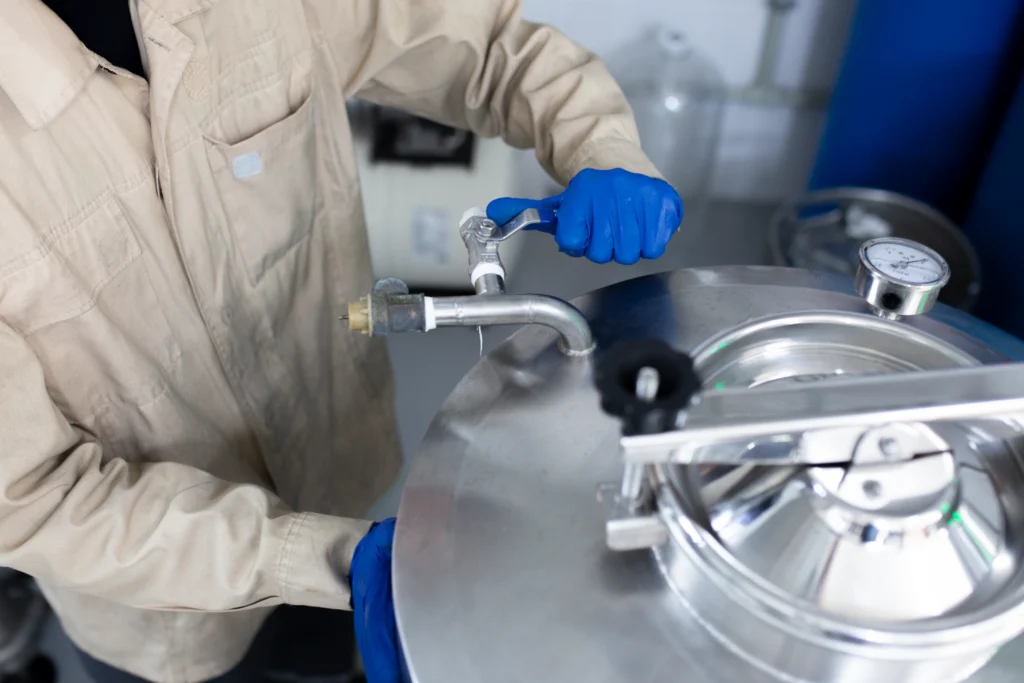
Industrial operations depend on reliable cryogenic equipment for storing and distributing gases. These include liquid nitrogen, oxygen, argon, and carbon dioxide. Choosing the right equipment strategy directly impacts operating costs and productivity. One of the biggest decisions procurement teams face is whether to invest in equipment ownership or opt for cryogenic equipment leasing. While purchasing may appear to be a long-term investment, leasing often provides greater flexibility, lower upfront costs, and easier scalability. Understanding the financial and operational differences between lease vs buy cryogenic equipment helps businesses make smarter investment decisions while maintaining an uninterrupted gas supply. Why This Decision Matters More Than Ever? The last few years have seen continued cost increases for industrial equipment, driven by inflation, higher material costs, and supply chain disruptions. At the same time, many companies are trying to keep up operational efficiency and preserve cash flow. As per the U.S. Bureau of Economic Analysis, private investment in industrial equipment. It continues to account for a share of business spending, encouraging companies to evaluate financing options that improve capital efficiency rather than tying up large amounts of cash. Rather than purchasing expensive cryogenic tanks outright, many organizations now evaluate leasing as part of their broader capital planning strategy. Understanding Cryogenic Equipment Leasing With cryogenic equipment leasing, businesses pay a monthly or annual fee to use storage tanks, vaporizers, pressure control systems, and related equipment, rather than purchasing them outright. Depending on the supplier, leasing packages may include: Instead of making a substantial capital investment, companies convert equipment expenses into predictable operating costs. When Preserving Cash Flow Is a Priority? Purchasing industrial cryogenic equipment often requires a significant upfront investment. A single bulk tank leasing system can cost tens of thousands of dollars before installation and associated infrastructure are included. Leasing saves working capital for enterprises. It is intended for: · Recruiting and expanding production · Research and Development (R&D) · Purchases of inventory · Launching new products Many experts on the subject indicate that, when flexible financing is available, it’s better to retain a strong liquidity than to have invested too much capital in fixed assets. When Your Gas Usage Is Growing Many businesses experience changing production requirements. Examples include: Instead of buying equipment that may become undersized within a few years, cryogenic tank leasing offers greater flexibility to upgrade capacity as demand increases. This reduces the risk of purchasing equipment that no longer meets operational requirements. When Technology Continues to Improve Cryogenic storage technology continues to evolve through: The U.S. Department of Energy says improving the efficiency of industrial equipment remains one of the most effective ways for manufacturers to lower the operating costs and improve energy performance. Leasing often allows companies to upgrade equipment more easily without replacing major capital assets. When Buying May Be the Better Option Although leasing offers numerous advantages, ownership can make sense in certain situations. Buying may be appropriate when: Comparing Lease vs Buy Cryogenic Equipment Instead of focusing only on purchase price, businesses should evaluate the total cost of ownership. Consideration Leasing Buying Initial investment Low High Monthly expenses Predictable maintenance varies Maintenance responsibility is included Cash flow impact Lower upfront costs Significant capital investment Scalability High Limited Equipment upgrades Easier Often expensive Hidden Costs of Equipment Ownership Buying equipment includes both expenses above the initial purchase. As per the Occupational Safety and Health Administration (OSHA), employers are responsible for maintaining pressure systems in safe operating condition through regular inspection and maintenance. These ongoing expenses should always be included when comparing lease vs buy cryogenic equipment. Why Leasing Helps Reduce Operational Risk Unexpected equipment failures can interrupt production, delay deliveries, and increase operating costs. Many cryogenic equipment rental or leasing agreements include maintenance programs. These are designed to minimize downtime. Benefits are: Instead of managing multiple maintenance vendors, businesses receive comprehensive support through a single supplier. Leasing Makes Expansion Easier Many industrial facilities grow gradually. A business may start with one storage tank, then go on to multiple production lines. Leasing allows companies to add storage capacity without having to change out equipment they already purchased. This flexibility is particularly valuable for: Industries That Commonly Choose Cryogenic Equipment Leasing Several industries regularly choose industrial cryogenic equipment leasing because of changing production requirements. These include: Deciding whether to lease or buy is as important as choosing the right supplier. Questions to Ask Before Choosing a Leasing Partner Selecting the right supplier is just as important as choosing between leasing and buying. Consider asking: An experienced supplier should help evaluate both operational needs and long-term financial goals, rather than recommending a one-size-fits-all solution. The Bottom Line Choosing between purchasing and cryogenic equipment leasing is not simply a financial decision—it is a strategic one. For businesses seeking lower upfront investment, predictable operating expenses, easier scalability, and reduced maintenance responsibilities, leasing often provides the greatest value. Companies with stable long-term demand and available capital may benefit from ownership, but they should carefully evaluate the total cost of equipment over its entire lifecycle. Procurement teams can decide if lease vs buy cryogenic equipment is right for their operation by considering initial costs, maintenance responsibilities, flexibility of equipment, and future expansion plans. Collaborating with an experienced provider who offers dependable leasing of cryogenic tanks, technical know-how, and responsive support can help you keep your business productive, efficient, and prepared for growth in the future.